
Category: Spirit Blog

  • Signs You May Be Receiving Spiritual Guidance

    Signs You May Be Receiving Spiritual Guidance

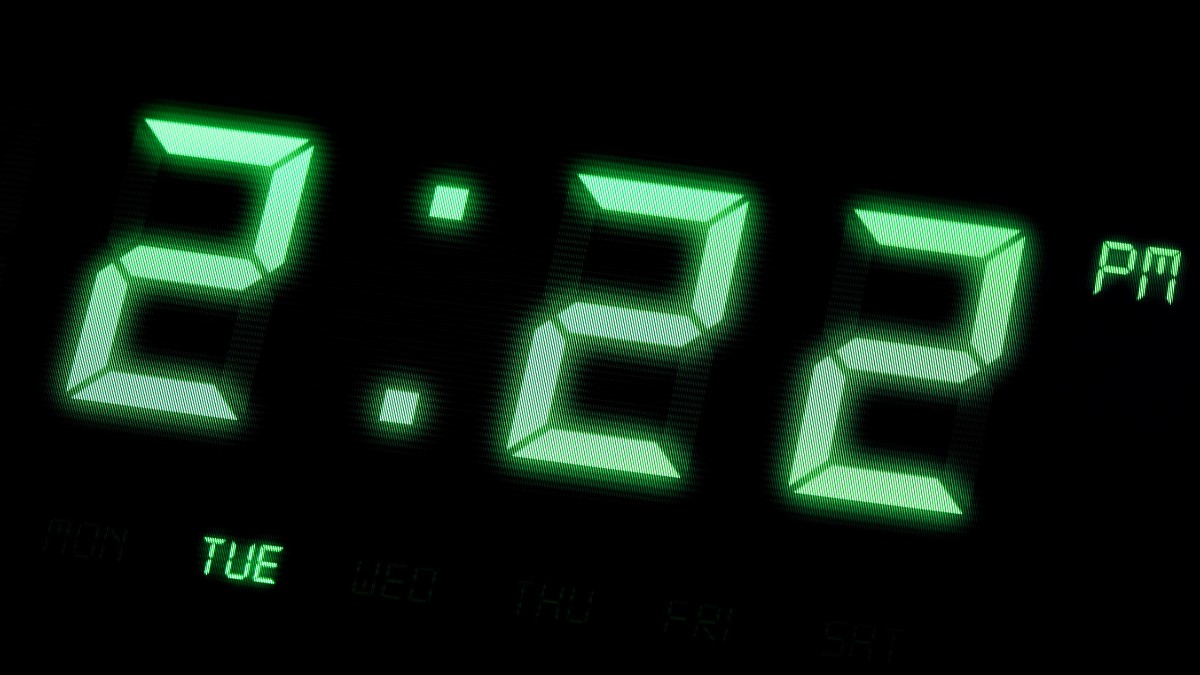
    Have you ever heard the same song three times in one day, seen the same number everywhere you looked, or stumbled across the exact words you needed at the exact moment you needed them? Sometimes guidance does not arrive as a lightning bolt. Sometimes it taps gently on the window until we finally notice.

    Spiritual guidance can feel different for everyone. Some people notice repeating numbers, meaningful coincidences, sudden memories, or symbols that seem to appear again and again. Others experience guidance through intuition, prayer, meditation, dreams, or a strong inner knowing. The important thing is not whether the sign looks dramatic from the outside. What matters is whether it feels meaningful, timely, and connected to something you are moving through.

    One common sign is repetition. You may hear the same message in different places, from different people, or in different forms. Maybe you keep seeing a specific animal, number, word, or image. Maybe a song lyric mirrors something you were just thinking about. Maybe a conversation, book, or random post seems to answer a question you have been carrying. Repetition does not automatically mean every little thing is a sign, but when something keeps returning with emotional weight, it may be worth noticing.

    Another sign is a shift in your inner response. Guidance often brings a feeling of clarity, peace, confirmation, or gentle discomfort. That discomfort is not always negative. Sometimes it is the feeling of being asked to grow, tell the truth, set a boundary, or stop ignoring what you already know. Spiritual guidance does not always tell us what we want to hear. Sometimes it lovingly points us toward what we need to face.

    Dreams can also carry guidance, especially when they feel unusually vivid or emotionally charged. Not every dream is a message, but some dreams stay with us for a reason. They may reveal feelings we have pushed aside, bring comfort from someone we miss, or help us see a situation from a new angle. Writing dreams down can help you notice patterns over time.

    Intuition is another way guidance may speak. This can feel like a quiet sense of “yes,” “not yet,” or “pay attention.” It may not come with a full explanation right away. Sometimes intuition is subtle, especially if you are used to second-guessing yourself. Learning to recognize it takes practice. The more you slow down and listen, the easier it becomes to tell the difference between fear, wishful thinking, and a deeper inner knowing.

    It is also helpful to stay grounded. Looking for guidance should not make you feel anxious, dependent, or afraid to make a move without a sign. Healthy spiritual guidance supports your growth and strengthens your trust in yourself. It should not replace common sense, personal responsibility, or practical action. If something truly feels guided, it will usually invite you toward more clarity, compassion, courage, or peace.

    You can make space for guidance by asking simple questions and paying attention to what follows. You might ask, “What do I need to understand right now?” or “What is the next right step?” Then notice what comes through in your thoughts, your body, your conversations, and your surroundings. You do not have to force it. Sometimes the most meaningful guidance arrives when you stop straining for an answer.

    Receiving spiritual guidance is often less about being “special” and more about being present. The signs may already be there. The practice is learning to notice them without chasing them, trust them without losing your grounding, and let them help you move through life with a little more awareness and grace.


  • What Is a Paranormal Investigation?

    What Is a Paranormal Investigation?

    If your first image of a paranormal investigation is someone standing in the dark whispering, “Did you hear that?” you’re not wrong. That moment happens. But it is only one tiny piece of what real paranormal investigating involves.

    A paranormal investigation is a structured attempt to understand unusual activity that may not have an obvious explanation. It can include flashlights, cameras, audio recorders, EMF meters, and long hours in dark buildings, but the heart of the work is much more grounded than people often expect. A thoughtful investigation is not just about chasing bumps in the night. It is about listening carefully, documenting experiences, and asking better questions.

    Before any equipment is set up, investigators need to understand what people have experienced. What was seen, heard, felt, or noticed? When did it happen? Was anyone else present? Are there patterns connected to certain rooms, times of day, objects, anniversaries, or emotional situations? These details matter because they help separate a vague spooky feeling from a specific report that can be explored more carefully.

    A good investigation also considers normal explanations first. That does not mean dismissing someone’s experience. It means taking the experience seriously enough to look at it from multiple angles. Drafts, plumbing, settling buildings, electrical issues, animals, outside noise, reflections, sleep patterns, and emotional stress can all create experiences that feel strange or unsettling. Ruling out ordinary causes is an important part of honest paranormal work.

    Equipment can be useful, but it is not magic. Cameras, audio recorders, EMF meters, temperature tools, and motion sensors can help document the environment, but they do not prove a haunting by themselves. A single beep, cold spot, or unexplained sound is not automatically evidence of a spirit. Investigators have to look at the bigger picture. What was happening in the room? Was there contamination from people talking, walking, or using phones? Could the sound have come from outside? Was the same activity experienced in more than one way?

    Respect is also a major part of paranormal investigating. If the location is a private home, the people living there should feel safe and supported, not judged or frightened. If the location is historic, investigators should treat the building, the land, and the stories connected to it with care. Paranormal investigating should never be about provoking, mocking, or demanding a performance from the unseen. A respectful approach creates a better experience for the living and, if spirits are present, honors them as more than entertainment.

    Many investigations include a combination of observation, documentation, interviews, environmental checks, quiet listening, and review afterward. The review process can take longer than the investigation itself. Audio needs to be listened to carefully. Photos and video need to be checked for ordinary causes like dust, motion blur, reflections, insects, or camera artifacts. Notes need to be compared. The goal is not to force every moment into a ghost story. The goal is to understand what happened as clearly as possible.

    Sometimes an investigation finds possible evidence. Sometimes it finds natural explanations. Sometimes it simply gives people peace of mind because someone took their concerns seriously. All three outcomes have value. Paranormal work is not only about proving that a place is haunted. It is also about helping people feel heard, exploring history, asking careful questions, and approaching the unknown with curiosity instead of fear.

    A paranormal investigation is really a balance between openness and discernment. You stay open to the possibility that something unusual may be happening, but you also stay grounded enough to question what you see and hear. That balance is what keeps the work meaningful. The unexplained deserves wonder, but it also deserves patience, respect, and careful attention.

  • What to Expect During a Psychic Reading

    What to Expect During a Psychic Reading

    If you have never had a psychic reading before, it is completely normal to feel curious, nervous, excited, or even a little skeptical. A reading can feel mysterious from the outside, especially if your only reference point is what you have seen in movies or on television. In real life, though, a meaningful reading is usually much more grounded. It is a conversation centered on insight, reflection, and spiritual guidance.

    A psychic reading is not about fear, pressure, or handing over your personal power to someone else. It should not make you feel controlled or dependent. A good reading should help you feel heard, supported, and more connected to your own intuition. The goal is not to tell you what to do. The goal is to help you look at your situation with fresh perspective and deeper awareness.

    People come to readings for many different reasons. Some have specific questions about relationships, career decisions, family situations, or major life changes. Others may not have a clear question at all. They may simply feel stuck, overwhelmed, or spiritually disconnected and want to know what guidance comes forward. Both approaches are valid. You do not need to arrive with a perfect question in order to receive a helpful message.

    During a reading, the conversation may focus on patterns, emotions, opportunities, or areas where you are being invited to trust yourself more. Sometimes a reading confirms something you have already been feeling but have not fully acknowledged. Other times, it may gently bring attention to something you have been avoiding. The best readings do not take away your choice. They help you recognize the choices that are already in front of you.

    It is also important to understand that psychic readings are not usually about predicting one fixed future. Life is shaped by choices, timing, growth, and free will. A reading may highlight possible paths or energetic patterns, but you are still an active participant in your own life. If a message does not feel right, you are allowed to sit with it, question it, or let it go. Spiritual guidance should never replace your own judgment.

    To get the most from a reading, try to come in with an open but grounded mindset. You do not have to believe everything blindly, and you do not have to prove anything either. Simply be present, listen, and notice what resonates. You may want to write down your questions beforehand or take notes during the session so you can reflect on the messages later.

    A reading can be emotional, especially if the topic touches something close to your heart. That does not mean anything is wrong. Sometimes clarity arrives with relief. Sometimes it brings up feelings you did not realize you were carrying. Give yourself space afterward to process what came through. You may understand certain parts of the reading immediately, while other pieces make more sense over time.

    A reading should feel compassionate, respectful, and empowering. Whether you are seeking spiritual insight, reassurance, or a deeper connection to your own inner knowing, it can offer a meaningful pause in the middle of life’s noise. It is a chance to listen more closely, reflect more honestly, and remember that you are not walking your path alone.